Bavaria's start-up scene is currently making many positive headlines. InsurTech Hub Munich and Digital Health Hub Nuremberg/Erlangen are important drivers of this development. The two hubs are launching "H+", a joint innovation program for healthcare solutions, in September.

Bavarian start-ups raise almost four times as much capital", "Free State on the rise" or "Corona crisis cannot slow down the boom": Despite the tense economic situation and corona-related uncertainties, numerous Bavarian start-ups - and the established companies and investors associated with them - are currently making positive headlines. In terms of start-ups and financing, Bavaria is catching up with the German start-up capital Berlin and in the European ranking, Munich is positioned alongside London and Paris at the top.
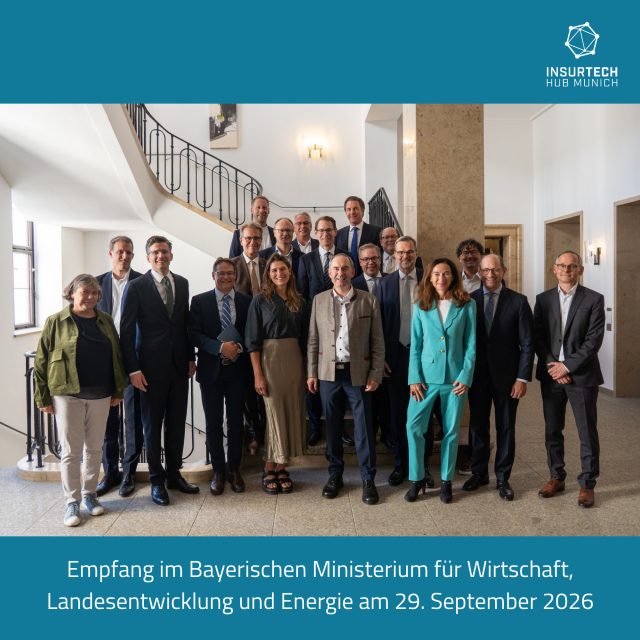
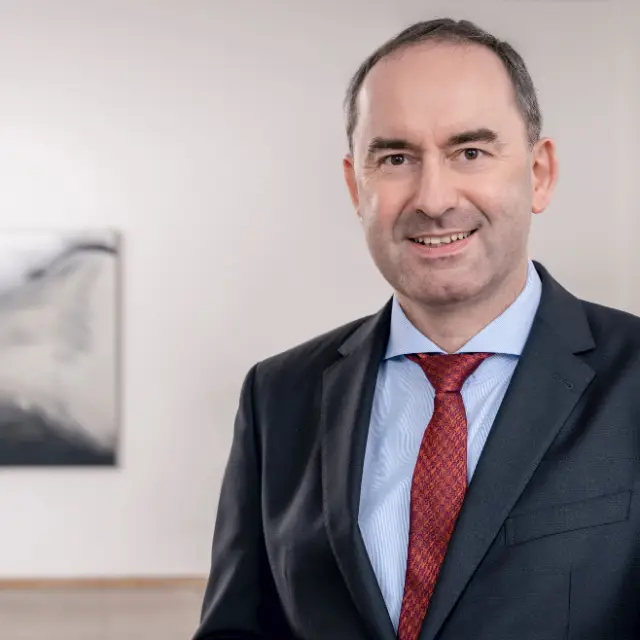
Bavaria's Minister of Economic Affairs Hubert Aiwanger emphasizes: "The success stories of recent months show that the Bavarian start-up scene is resilient: The Bavarian startup scene is crisis-proof and will not be slowed down by corona. The interaction between established corporations, specialized hidden champions and innovative startups is creating a dynamic ecosystem in which innovative business models can be developed, even in this difficult economic phase. In the course of overcoming the crisis, the Bavarian Ministry of Economic Affairs has successfully worked to tailor the state aid and loan programs for our startups. And we are planning further improvements to startup funding in Bavaria."
Innovation hubs as drivers and mediators between the worlds
Dr. Robert Heene, Member of the Board of Versicherungskammer Bayern (VKB) and Chairman of the Advisory Board as well as one of the founding fathers of the InsurTech Hub Munich (ITHM), which has been in existence since 2017, agrees: "This is largely thanks to the fact that both we, as a long-established company, but also founders find the best conditions locally. Bavaria has a world-class university network, infrastructure and recreational value, which attracts high potentials. And, of course, a decidedly innovation-friendly economic policy." Networks such as the ITHM, the Mobility Hub in Munich and the Digital Health Hub in Nuremberg and Erlangen play an important role as drivers and mediators between the worlds, explains Heene.

Dr. Robert Heene 
Hubert Aiwanger 
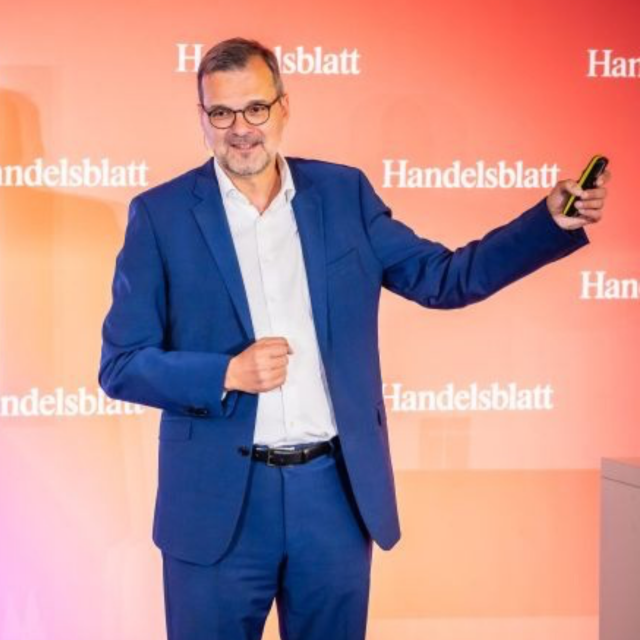
Prof. Dr. Erich R. Reinhardt
Heene, who is also responsible for coordinating and cooperating with external start-ups within the VKB Group, points to the recent successes of the entrepreneurs supported by ITHM: of the 40 international start-ups that took part in the fifth ITHM Innovation Programme in the first half of the year, more were able to start working directly with companies and investors than ever before. Alumni of previous programs, such as the Munich-based AI startup e-bot 7 or the drone service provider FairFleet, are continuously expanding. "The pressure to digitalize is high," comments Heene.
Minister of Economic Affairs Aiwanger emphasizes the importance of digital hubs such as the ITHM for Bavaria as a business location. "The ITHM is an engine for the digital transformation of the insurance industry and forms an important network with the other Bavarian hubs and within the industry. The development of digital expertise in the insurance sector is of crucial importance for the future development of one of our leading industries."
With its locations in Munich, Nuremberg and Coburg, Bavaria is one of the largest insurance centers in Europe. Around 100,000 people work in companies in the insurance industry. As part of the "InsurTech Hub - Phase II" project, the ITHM has access to a total of up to 1.55 million euros in funding until the end of 2022. The financial support of the Bavarian digital hubs strengthens the innovative activities of companies, emphasized Aiwanger: "We are bringing innovative companies to Bavaria and making our business location fit for the future."

Driving forward new digital health solutions together
In view of the current situation, the "H+ Digital Health Innovation Programme", which ITHM is organizing together with the dmac/Medical Valley Digital Health Application Center from the Digital Health Hub Nuremberg/Erlangen, is particularly important.
"We and the ITHM agreed on the importance of the topic of health even before COVID-19," explains Prof. Dr. Erich R. Reinhardt, 1st Chairman of Medical Valley European Metropolitan Region Nuremberg (MV). With its Digital Medical Application Center (dmac) as the central hub of the Digital Health Hub, MV supports start-ups from Germany and abroad in the operational implementation of their market access strategies and the integration of digital health applications into standard care. The Digital Healthcare Act (DVG), which was passed by the Bundestag and Bundesrat in November 2019 and came into force at the turn of the year, was the decisive factor for the cooperation between ITHM and MV, which was initiated by the Ministry of Economic Affairs. "The fact that we now have two boosters for digitalization in the healthcare sector with the DVG and the pandemic and that this will quickly erode previous reservations about telemedicine, for example, was unforeseeable," says Reinhardt.
He emphasizes: "This makes it all the more important that we now get modern and sustainable solutions on the road as quickly as possible in the interests of patients, doctors and clinics as service providers and insurers as service reimbursers." A few days ago, ITHM and dmac/Medical Valley announced the 41 participants in the program, which runs from September to November 2020: The teams come from 16 countries; in addition to several European states, the USA, Israel, China, Russia and Nigeria are also represented. Many of the start-ups are led by female founders, "the topic of health is covered in its entirety, from prevention to diagnosis and treatment to rehabilitation," says Reinhardt.
An overview of the H+ process and the participating start-ups can be found on the program website: www.healthplus.digital
Text: Markus Walter