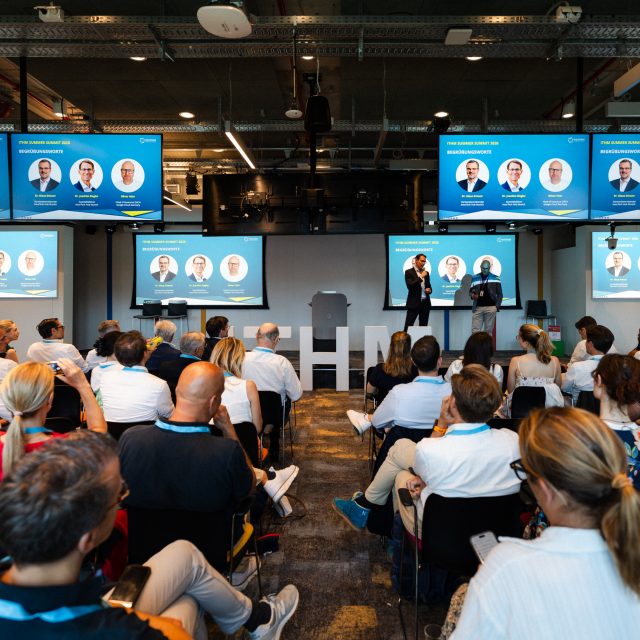
Left side: Working well. Right side: Room for improvement. The image of the two hemispheres of the brain came up time and again at the ITHM Summer Summit in late June 2026. Left: language, logic, and analysis. Right: emotions, creativity, spatial thinking, and a deeper understanding of the world. AI already masters one of these areas astonishingly well. In the other, it shows clear shortcomings. For now. But for how much longer?
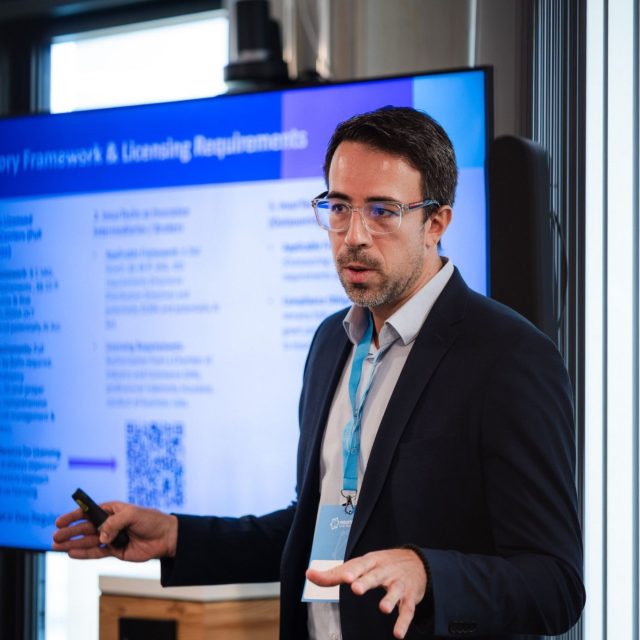
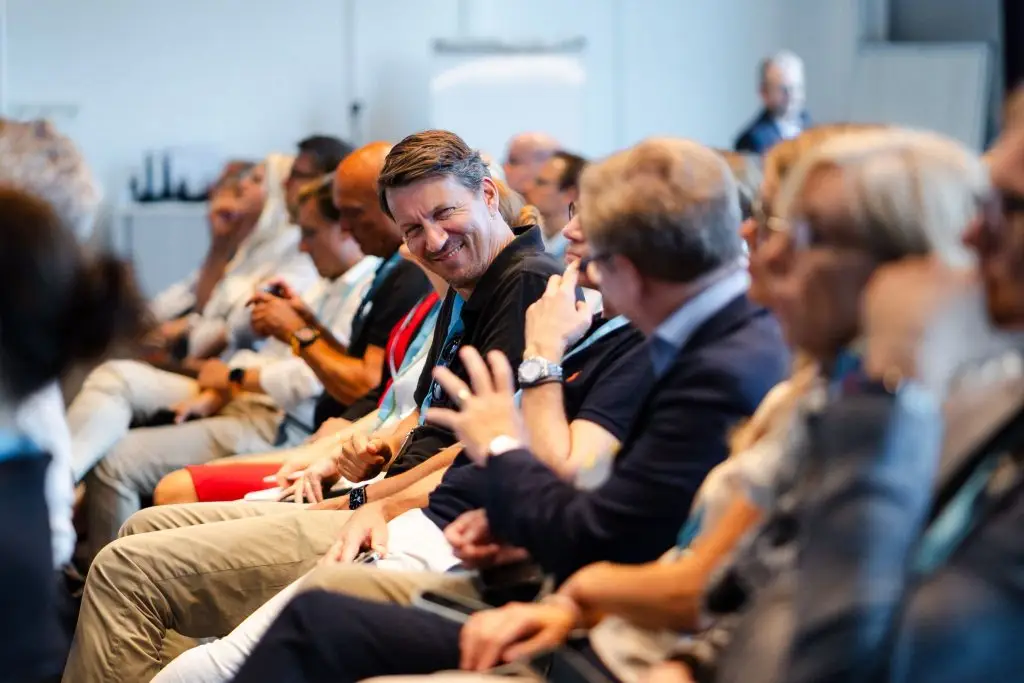
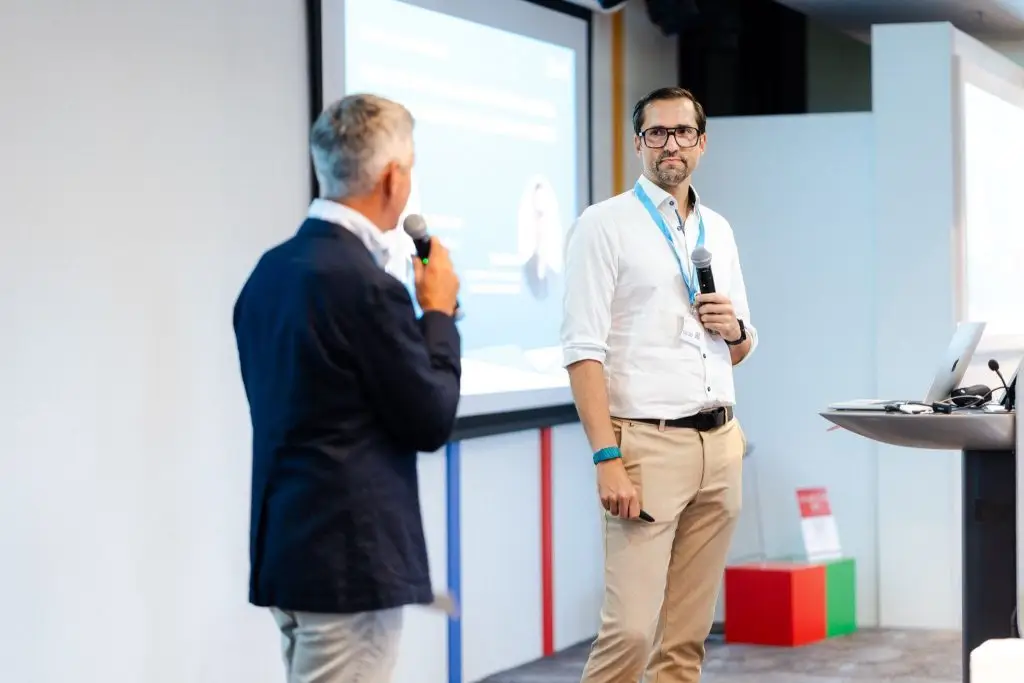
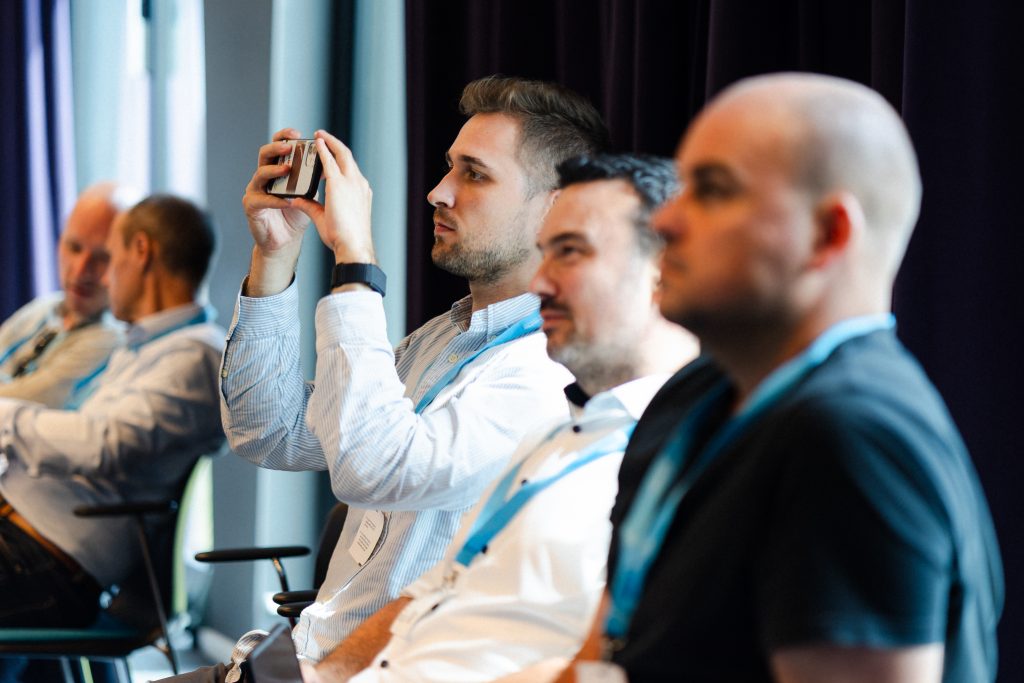
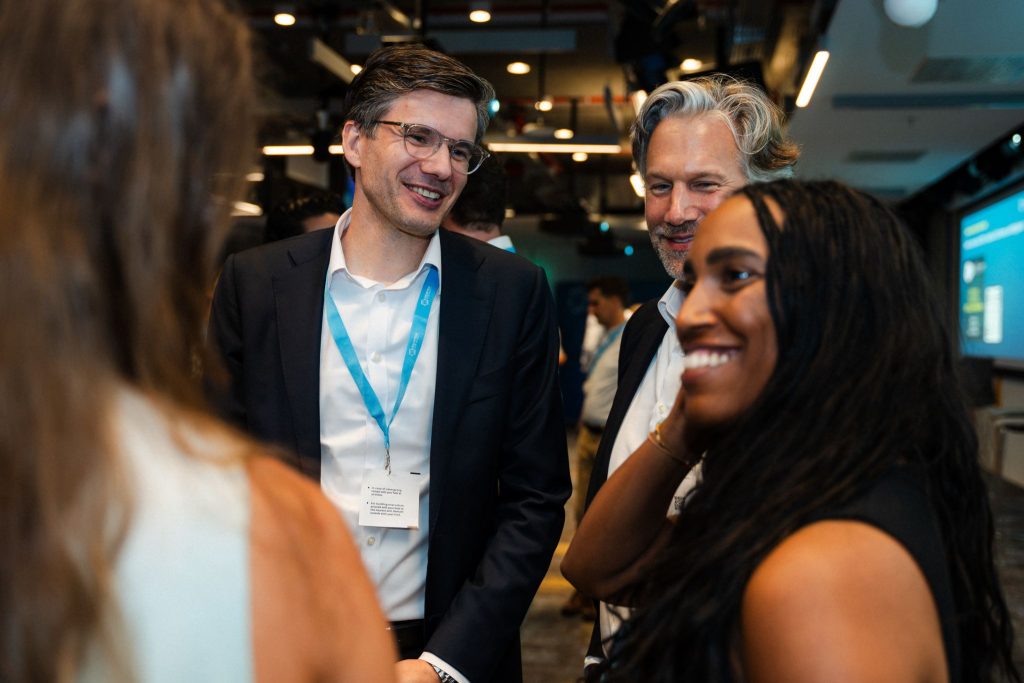
The ITHM team welcomed a good 150 guests in Munich to discuss the future of insurance sales. To explore how AI helps people work better, faster, and more efficiently; how it’s changing our work on a small scale and our companies on a larger scale; where chatbots and the like have their limits; and when it’s better to let a flesh-and-blood agent take over.
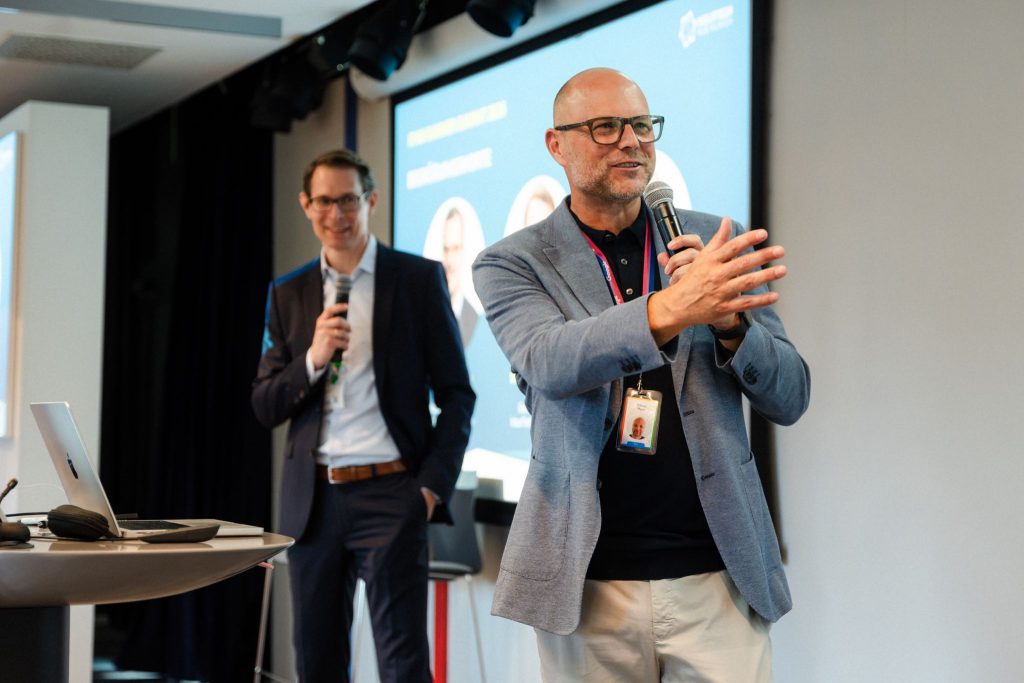
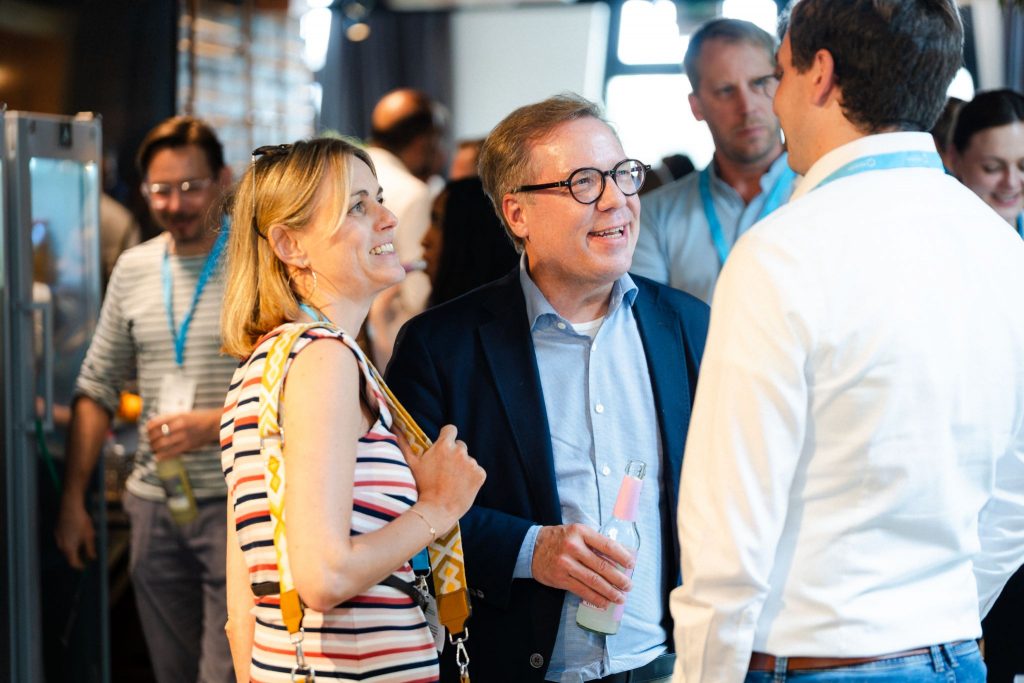
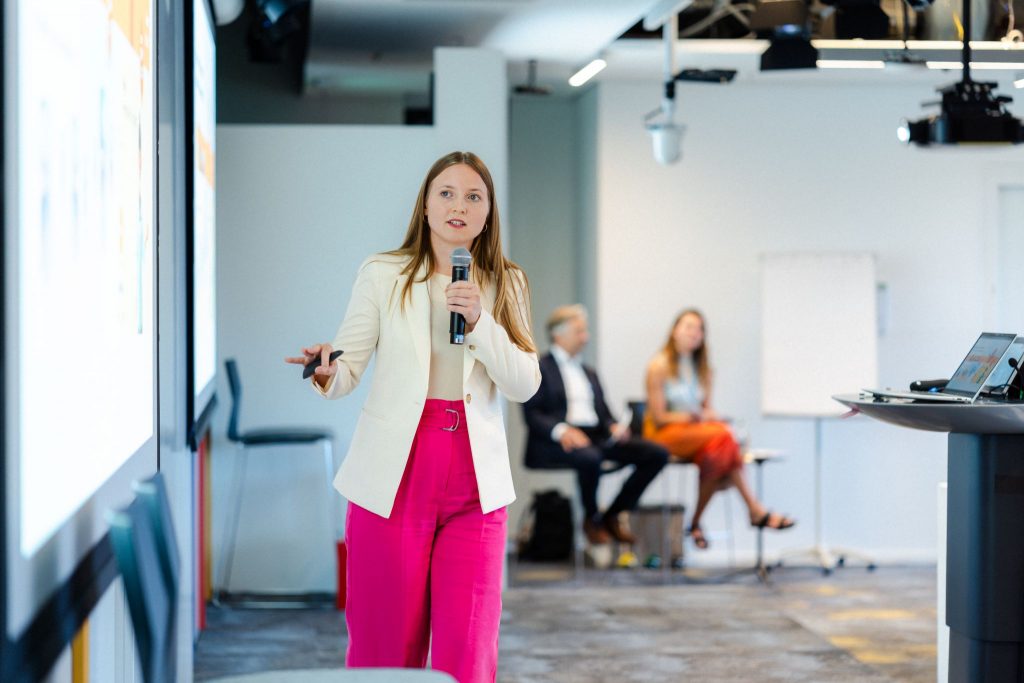
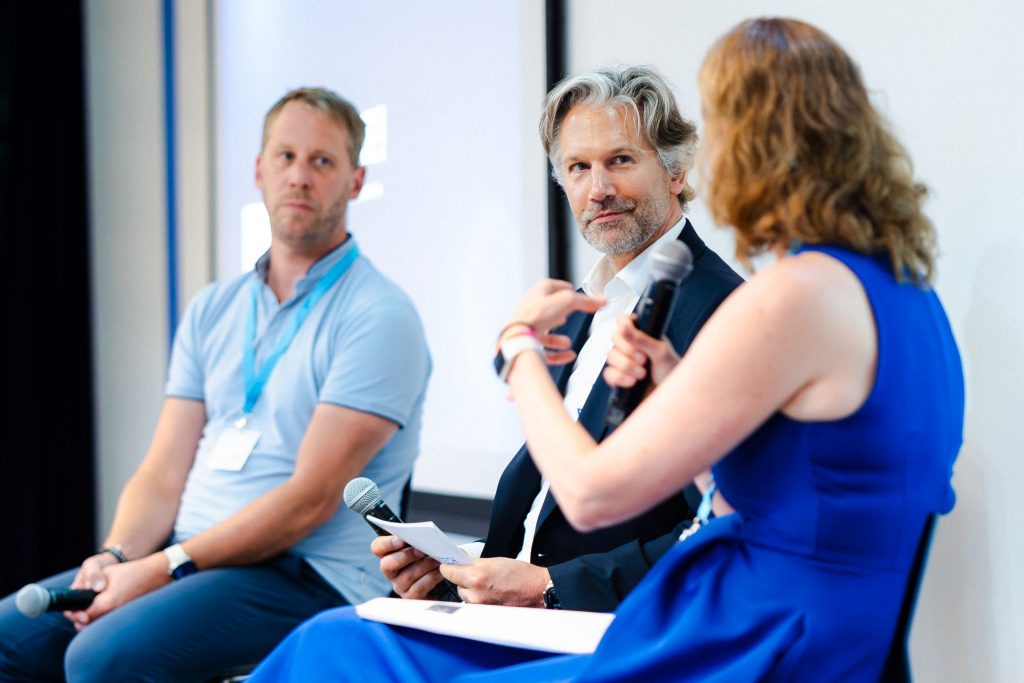
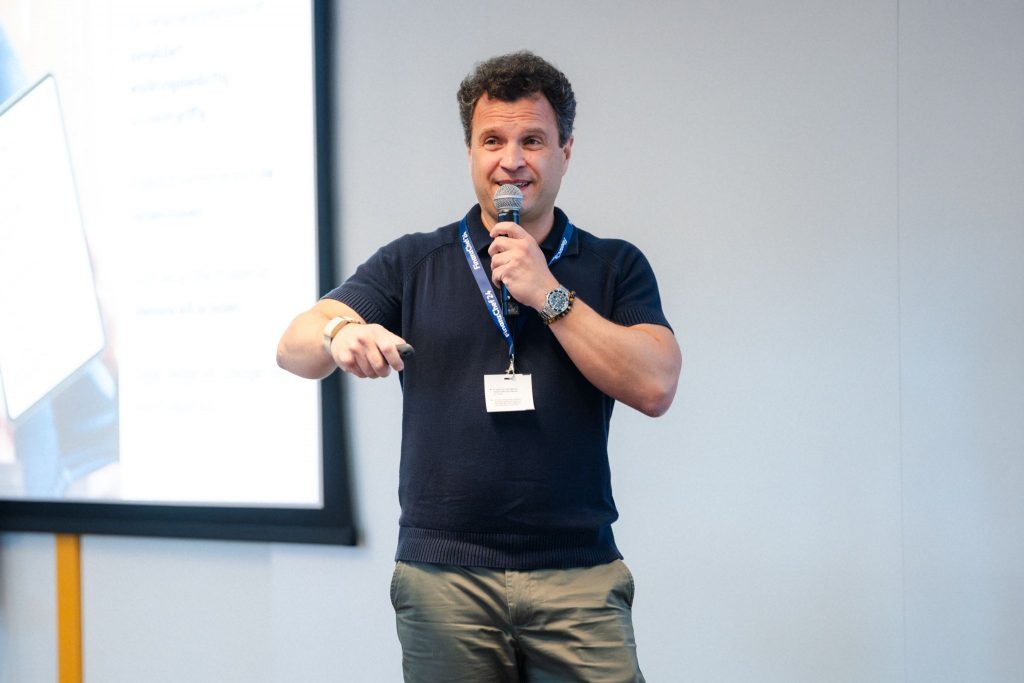
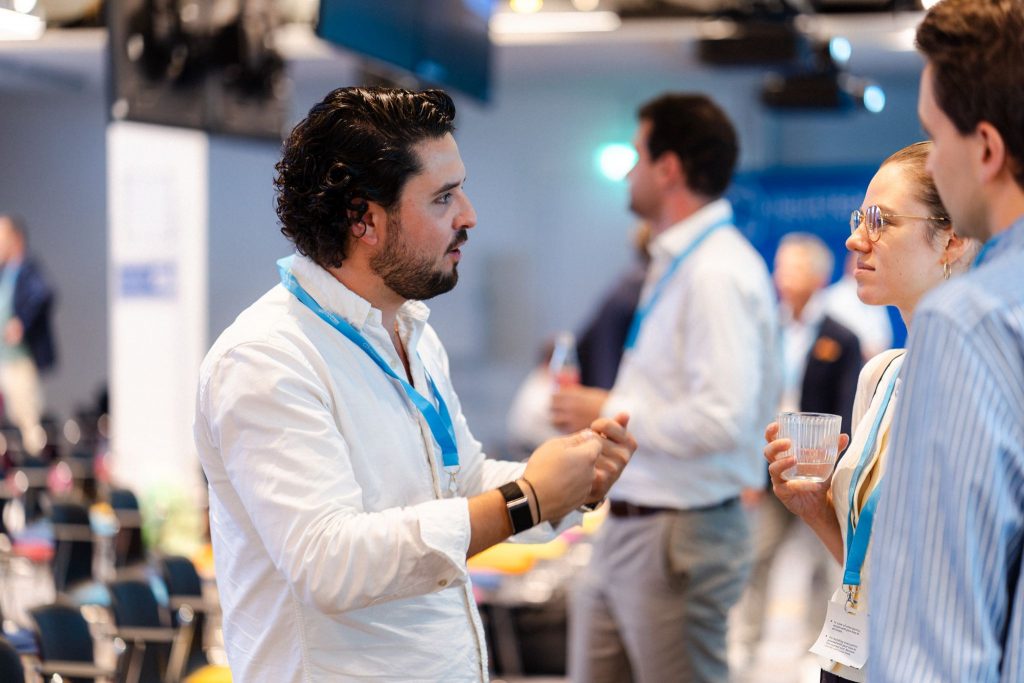
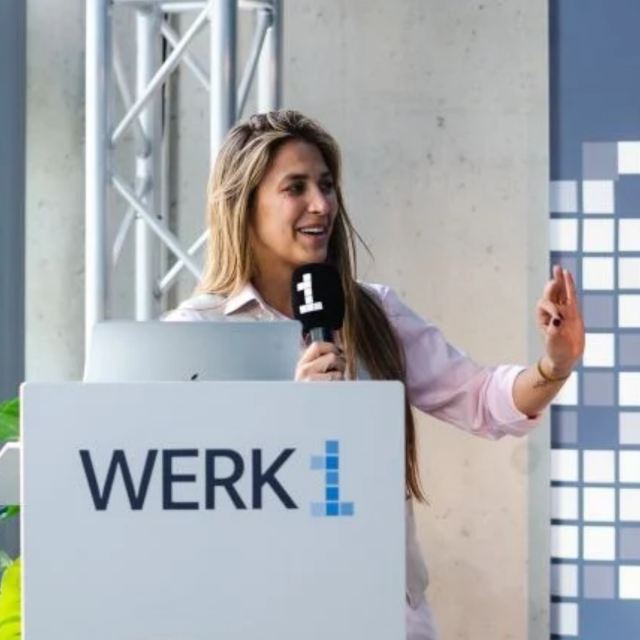
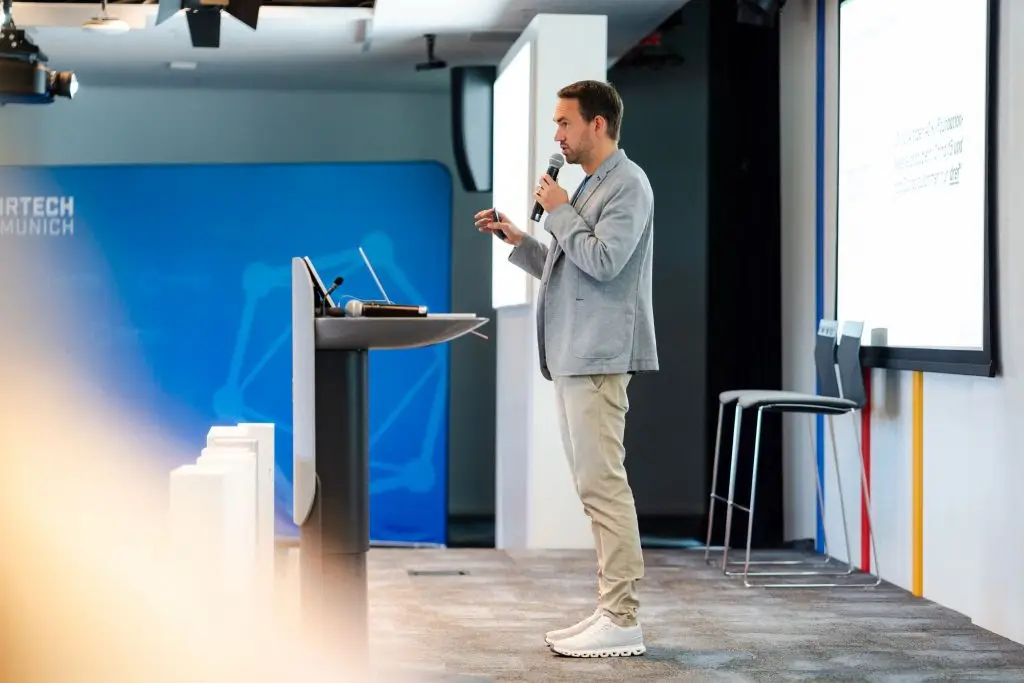
In his keynote address, Prof. Dr. Niklas Kühl (Fraunhofer FIT Generative AI Lab / University of Bayreuth) urged the audience not to blindly follow either the “machine-breakers” or the “AI cheerleaders.” He argued that the real risk of the AI hype is “the creeping erosion of human capacity for action and judgment.” Lena Bartel (BSI) also addressed this point, drawing on the image of the two hemispheres of the brain: Only when people bring their emotional abilities into play do the suggestions prepared by AI turn into a successful customer conversation.
Kay Buchheister (Salesforce) explained that the optimal human-machine match is achieved when you finally turn “those affected into active participants.” Sven Benner (Deutsche Vermögensberatung) agreed: “AI must first earn trust—from both brokers and customers.” Founders Fabian Beringer and Kenneth Hillig are addressing exactly this issue: Moonscale builds avatars for quick customer contact, while Setero Technologies trains salespeople using AI-powered role-playing games.
Speaking of which: the customers. “We need to focus more on the ones who are footing the bill,” says Payam Rezvanian (Finanzchef24). He’s convinced: “A bad process won’t become a good one, even with AI.” Alexander Pohnert ( Generali Deutschland AG) believes in “experiencing rather than explaining.” Together with brokers, he has developed a dialogue tool to meet customers where they are in their everyday lives. Stefan Zimmermann (Google) calls initiatives of this kind a “hyper-personalized customer experience” and urges companies not to linger too long in the proof-of-concept (PoC) phase. Try it out, pivot, scale—that’s roughly how his recommendation can be interpreted.
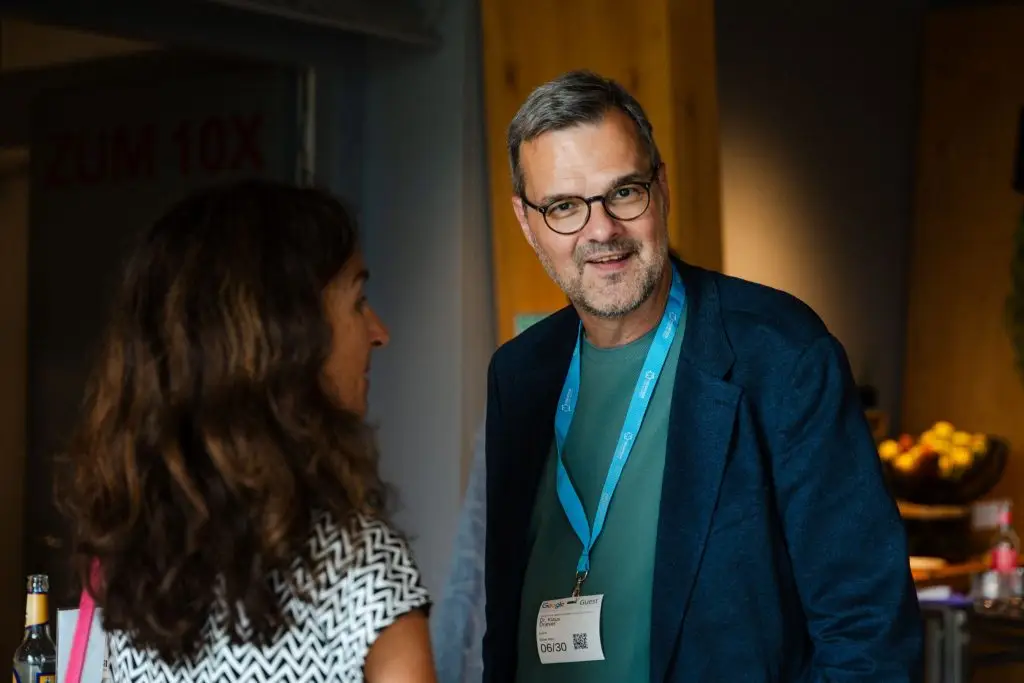
The question remains: Build or Buy? Dr. Josef Adersberger (QAware GmbH) does not believe in a strict either/or choice. Ideally, according to Claudia Jandl ( NTT DATA), companies should work with agnostic platforms on which they can build both in-house solutions and purchased ones. Adersberger advises: Carefully weigh where autonomy is the priority—and where maximum efficiency is.
ITHM Managing Director Dr. Joachim Ziegler summarized: “It all comes down to the operating model—and to embedding the opportunities and challenges of AI into the company’s overall strategy NOW.” As ITHM CEO Dr. Klaus Driever put it, the triumphant advance of AI is comparable to a rocket launch. After leaving the launch pad, the vehicle starts off relatively slowly, but then it blasts off into space at full throttle. “In the development of AI, we’re in the first ten seconds after launch—but not for much longer!” Driever pointed out at the Summer Summit.